
Research Philosophy
“Behind every statistic is a person, a journey, and a story.”
I came to research the way I came to everything else in my life — through lived experience. The questions that drive my work are not abstract academic puzzles. They are the questions I have carried in my mind, body and soul for decades: Why do people take their own lives? What does it do to those left behind? And what does it take to not just survive that — but to grow from it?
My research is qualitative and translational. That means I am less interested in counting things than in understanding them. I work at the intersection of story, science and practice — listening deeply to the experiences of those who have lived through trauma and suicide, and then translating what I hear into knowledge that can change how we support people. I believe that the most important insights about the human experience don’t live in spreadsheets. They live in stories. My job is to make sure those stories are heard — and that they count.
Research Paradigm and Methodology
Why Qualitative Research Matters
Most of what we know about mental health has been built on quantitative research — surveys, standardised scales, statistics. That research has been enormously valuable. But it tells us how many, not what it is actually like. It measures the surface of human experience without reaching its depth.
Qualitative research listens differently. It asks: what was that actually like for you? What did it mean? How did it change you? It sits with complexity rather than reducing it to a number. And in fields like suicide and trauma — where the human experience is irreducibly complex, deeply contextual, and profoundly shaped by culture and relationships — that depth of understanding is not a luxury. It is a necessity.
Narrative Inquiry
The methodology I use is called Narrative Inquiry — an approach to understanding human experience through story, grounded in the premise that the way we make sense of our lives is through the stories we tell about them. It is a research approach that honours the intelligence of lived experience, and positions the person who has been though something not as a research subject, but as a knowledge holder.
Research Areas
- The impact of suicide exposure on first responders and pathways to post-traumatic growth
- Resilience, stress and growth in trauma-exposed populations
- Lived experience as methodology — insider researcher practice
- Translational research: from evidence to culturally responsive practice
PhD Research
My doctoral thesis, completed at the University of New England in 2024, explored a question that had been largely overlooked in the research literature: what is it actually like for firefighters to be exposed to suicide — and what happens to them afterwards?
Firefighters encounter suicide regularly, often as first responders to the scene. Yet the specific impact of that exposure — distinct from other forms of critical incident — had received almost no dedicated research attention. My study used Narrative Inquiry to listen deeply to the experiences of firefighters who had been exposed to suicide in their personal and professional lives, exploring how they made sense of what they had witnessed and what that meant for their own mental health, their relationships, and their sense of self.
The research revealed that suicide exposure poses particular challenges to the way we make meaning from our experiences — challenges that conventional critical incident support frameworks are not designed to address. It points toward the need for more nuanced, culturally responsive, and story-informed approaches to supporting first responders in the aftermath of suicide exposure.
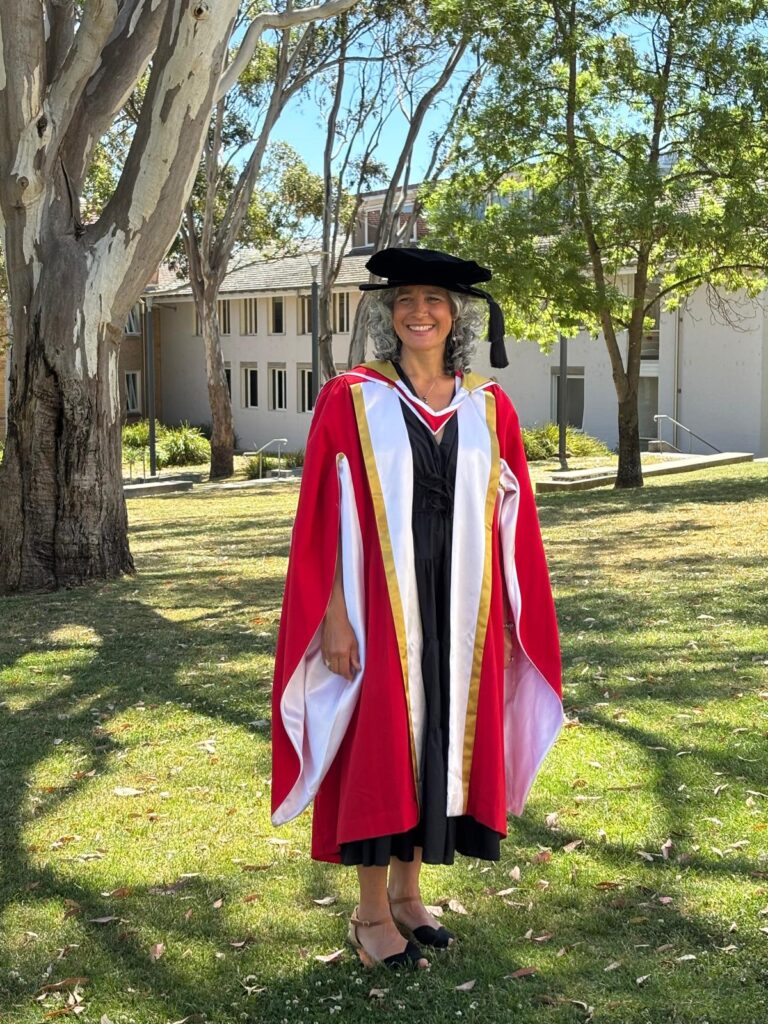
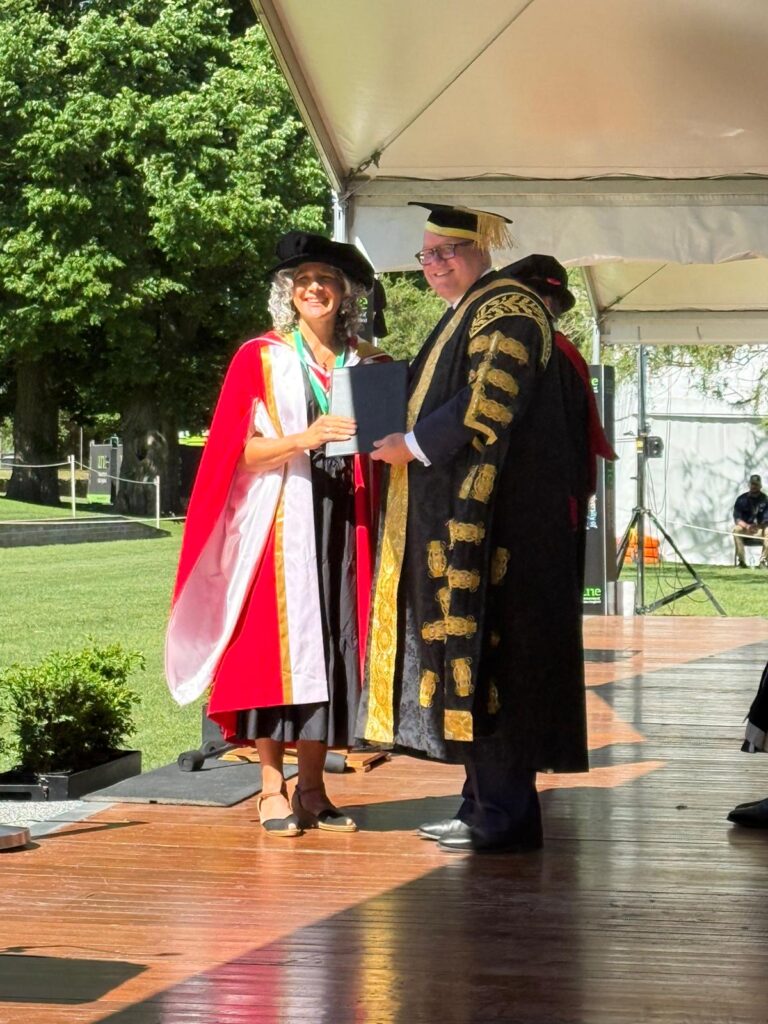
The thesis was awarded the Chancellor’s Medal at the University of New England — recognising research of exceptional merit, at the forefront of its field and of international standing.



Peer-Reviewed Publications
Lal, T. J. (2026). Sitting in the Soup — Negotiating the Challenges of Being an Insider in Qualitative Health Research. Qualitative Health Research.
Smith, J., Cvejic, E., Lal, T. J., Fisher, A., Tracy, M. & McCaffery, K. J. (2023). Impact of alternative terminology for depression on help-seeking intention: A randomized online trial. Journal of Clinical Psychology, 79(1), 68–85.
Counson, I., Hosemans, D., Lal, T. J., Mott, B., Harvey, S. B., & Joyce, S. (2019). Mental health and mindfulness amongst Australian fire fighters. BMC Psychology, 7(1), 34.
Joyce, S., Shand, F., Lal, T. J., Mott, B., Bryant, R. A., & Harvey, S. B. (2019). Resilience@Work mindfulness program: results from a cluster randomized controlled trial with first responders. Journal of Medical Internet Research, 21(2), e12894.
Joyce, S., Shand, F., Bryant, R. A., Lal, T. J., & Harvey, S. B. (2018). Mindfulness-based resilience training in the workplace: pilot study of the internet-based Resilience@Work (RAW) mindfulness program. Journal of Medical Internet Research, 20(9), e10326.